
Sewer and Stormwater Rate Study
Littleton’s sewer and stormwater systems protect public health, homes, businesses, and the South Platte River. Utility rate increases are necessary to ensure the city can maintain, repair, and reinvest in this critical infrastructure before failures occur.
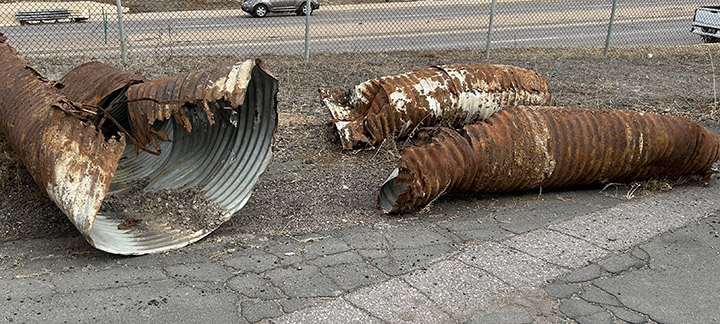 What's hiding beneath our streets? Pipes like these serve our community for decades — until they can’t. The Sewer and Stormwater Rate Study will ensure that rates and fees match the needs of upgrading crucial infrastructure, and help the city meet future repairs proactively.
Register for the September 3 Rate Study Webinar
New Sewer and Stormwater Rate Structure Slated to Be Part of Budget Adoption Process
As part of the 2027 budget process, the City of Littleton is moving forward with a new utility rate structure for sewer and stormwater services. City staff and its consultant, Raftelis, have presented information to city council twice this year, with another presentation tentatively scheduled for August. If approved as part of the budget adoption process later this year, the new rates would take effect in January 2027.
The city’s Sewer and Stormwater Rate Study, which began last year, is evaluating the appropriate rates for residential, multifamily, and commercial customers. Currently, Littleton customers receive one annual utility bill with separate charges for sewer and stormwater services. These utilities manage the wastewater that flows from homes and businesses, as well as the rainwater and runoff that drain from streets, roofs, and driveways. Changing the frequency of billing, as well as how tap fees are calculated, is also considered as part of the study.
Utility rates fund the operation, maintenance, and replacement of Littleton’s sewer and stormwater infrastructure. The rate study calculates the actual cost of providing these essential services by evaluating infrastructure needs, day-to-day operations, future capital improvements, and the demands different types of customers place on the system. This approach helps ensure rates are equitable, support necessary investments, and provide long-term financial sustainability.
Like many communities across the country, Littleton faces significant infrastructure needs. Over the next 10 years, the city expects to invest more than $256 million to rehabilitate and replace aging sewer infrastructure, and approximately $72.4 million in stormwater improvements. These investments will help protect public health, reduce flooding risks, meet regulatory requirements, and ensure reliable utility service for years to come.
The city recognizes that any rate increase may be a concern for customers. Under the proposed rate structure, however, some customers may be able to lower their bills by reducing the amount of wastewater they send to the sewer system. Water conservation measures — such as installing low-flow toilets and showerheads, running full loads of laundry, and reducing overall indoor water use — could help some households save money while also reducing demand on the system.
The city will host two public engagement opportunities to share the study’s findings, explain the proposed rate structure, and answer questions about how it could affect utility bills:
Open House
Wednesday, August 26, 4 to 6 p.m. at the Littleton Center - 2255 W. Berry Avenue. Spanish materials and translation will be available at the event. Snacks and refreshments will be provided.
Informational Webinar
Thursday, September 3, 5:30 p.m. Register for the September 3 Rate Study Webinar
Timeline
New rates are expected to take effect in January 2027. Find more information about upcoming engagement opportunities and council meetings on this page. An independent consultant, Raftelis, is conducting the study to ensure the rate structures used to calculate sewer and stormwater bills are accurate, financially sustainable, and fair. Tap fees, which are one-time fees paid when a new home or building connects to the system, will also be considered as part of the study.
More Information
- Council presentation — August 11, 2026
- Council presentation — May 12, 2026
- Rate Study: Sewer Rates — April 30, 2026
- Council presentation — March 10, 2026
- 2026 City Budget Summary
- Rate Study FAQs
- Sign up for Littleton Links e-newsletter
- Read the latest Littleton Report
The city will host community meetings during the spring and summer of 2026 to update you on new rates, their impacts, and how they will support long-term reliability in Littleton.
Learning From the Past
The changes you will see on your sewer and stormwater bills in 2027 are driven by real needs. Littleton’s sewer and stormwater systems are aging and need repair or replacement in many cases. Without proactive maintenance and upgrades, our pipes will continue to collapse, and we risk sinkholes and unsafe waterways.
Littleton residents may remember when heavy rains pushed the stormwater system to its limit in 2023. Our overstressed stormwater system led to major sinkholes along Jackass Hill Road, Mineral Avenue, and South Broadway. Upgrading the system will help ensure we prevent these types of disruptions in the future.
-
Deputy Public Works Director

Phone 303-795-3863 Email RGermeroth@LittletonCO.gov -
Communications Strategist

Phone 303-795-3933 Email MBrown@LittletonCO.gov
-
 Rate Study FAQs
- What should I know about Littleton’s sanitary sewer and stormwater systems?
- How do these systems protect public health and the environment?
- What do my stormwater and sewer bills pay for?
- How much will my bill increase, and how can I learn more about the changes?
- What is a utility rate study, and why is it needed?
- How are utility rates calculated?
- What are the current rates, and when were they last updated?
- What is a financial plan?
- What is a rate structure?
