

Sewer and Stormwater Rate Study
Littleton’s sewer and stormwater systems protect public health, homes, businesses, and the South Platte River. Utility rate increases are necessary to ensure the city can maintain, repair, and reinvest in this critical infrastructure before failures occur.
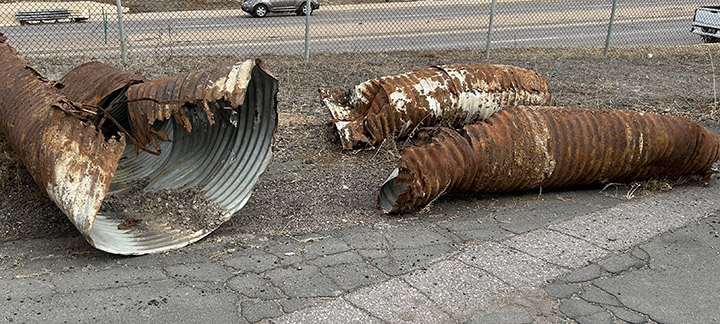 What's hiding beneath our streets? Pipes like these serve our community for decades — until they can’t. The Sewer and Stormwater Rate Study will ensure that rates and fees match the needs of upgrading crucial infrastructure, and help the city meet future repairs proactively.
Rate Study Final Report Set to Go Before City Council
The City of Littleton is nearing completion of its 2026 Sewer and Stormwater Rate Study, which examines the utility system’s current and future financial needs and evaluates potential changes to customer rates. The Rate Study Final Report is scheduled to be presented to Littleton City Council on Tuesday, October 6.
Applicable customers are encouraged to take the Billing Frequency Poll through Monday, October 5.
Thank you to those who attended the Rate Study Open House and Informational Webinar. If you missed either event, you can:
- View the Open House information boards
- View the boards in Spanish (presentacion de jornada de puertas abiertas)
- Watch the Informational Webinar
- View the updated Sewer and Stormwater Rate Study FAQs
- Ask questions to the Project Contacts listed on this page.
Background: The proposed rate structure is intended to provide more stable, sustainable funding for operating, maintaining and improving Littleton’s sewer and stormwater systems. The study also considers how costs are distributed among different types of customers.
Under the proposal presented at the Open House and Webinar, an average single-family customer inside Littleton could see an increase of approximately $12 per month on their utility bill. A typical four-unit multifamily customer could see an increase of approximately $17 per month.
City staff and its consultant, Raftelis, have presented information to city council three times in 2026, with another presentation scheduled for October 6. If approved as part of the budget adoption process later this year, the new rates would take effect sometime in early 2027.
The city’s Sewer and Stormwater Rate Study, which began last year, is evaluating the appropriate rates for residential, multifamily, and commercial customers. Currently, Littleton customers receive one annual utility bill with separate charges for sewer and stormwater services. These utilities manage the wastewater that flows from homes and businesses, as well as the rainwater and runoff that drain from streets, roofs, and driveways.
Utility rates fund the operation, maintenance, and replacement of Littleton’s sewer and stormwater infrastructure. The rate study calculates the actual cost of providing these essential services by evaluating infrastructure needs, day-to-day operations, future capital improvements, and the demands different types of customers place on the system. This approach helps ensure rates are equitable, support necessary investments, and provide long-term financial sustainability.
Like many communities across the country, Littleton faces significant infrastructure needs. Over the next 10 years, the city expects to invest more than $256 million to rehabilitate and replace aging sewer infrastructure, and approximately $72.4 million in stormwater improvements. These investments will help protect public health, reduce flooding risks, meet regulatory requirements, and ensure reliable utility service for years to come.
The city recognizes that any rate increase may be a concern for customers. Under the proposed rate structure, however, some customers may be able to lower their sewer bills by reducing the amount of wastewater they send to the system. Water conservation measures — such as installing low-flow toilets and showerheads, running full loads of laundry, and reducing overall indoor water use — could help some households save money while also reducing demand on the system. Stormwater rates are increasing for all customers.
Timeline
New rates are expected to take effect sometime in early 2027. Find more information about upcoming engagement opportunities and council meetings on this page.
More Information
- Council presentation — August 11, 2026
- Council presentation — May 12, 2026
- Rate Study: Sewer Rates — April 30, 2026
- Council presentation — March 10, 2026
- 2026 City Budget Summary
- Rate Study FAQs
- Sign up for Littleton Links e-newsletter
- Read the latest Littleton Report
To date, the city has hosted multiple engagement opportunities to update customers on new rates, their impacts, and how they will support long-term reliability in Littleton.
Learning From the Past
The changes you will see on your sewer and stormwater bills in 2027 are driven by real needs. Littleton’s sewer and stormwater systems are aging and need repair or replacement in many cases. Without proactive maintenance and upgrades, our pipes will continue to collapse, and we risk sinkholes and unsafe waterways.
Littleton residents may remember when heavy rains pushed the stormwater system to its limit in 2023. Our overstressed stormwater system led to major sinkholes along Jackass Hill Road, Mineral Avenue, and South Broadway. Upgrading the system will help ensure we prevent these types of disruptions in the future.
-
Rate Study Engagement Opportunities
Share Rate Study Engagement Opportunities on Facebook Share Rate Study Engagement Opportunities on X (formerly Twitter) Share Rate Study Engagement Opportunities on Linkedin Email Rate Study Engagement Opportunities link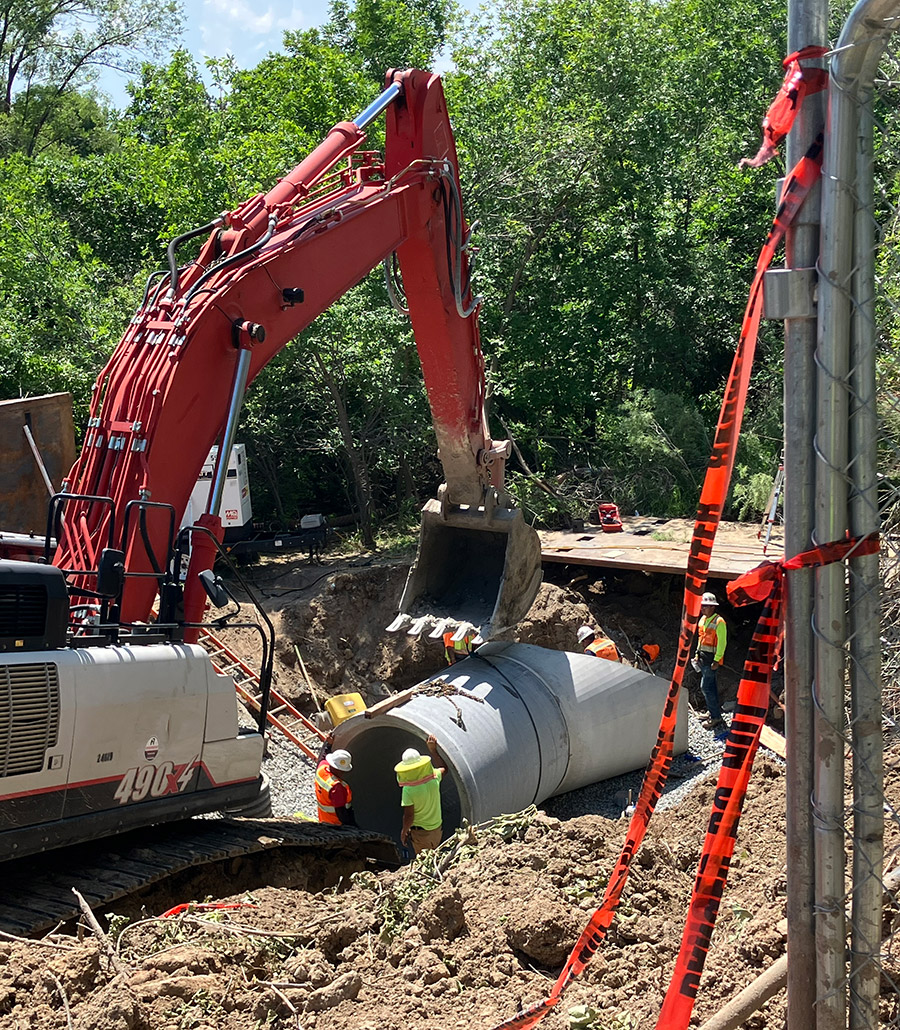
Littleton’s aging sewer and stormwater systems create unnecessary risks for public health and the environment. The City of Littleton is working with a consultant to conduct a rate study that will determine appropriate rates for sewer and stormwater services. Utility rate increases are necessary to help the city move from reactive, costly emergency repairs to a proactive approach that keeps pace with infrastructure needs and community demands.
There are multiple engagement opportunities for residential, multifamily, and commercial customers to stay informed.
The city is hosting two informational events to help community members understand how the study’s findings will likely increaseContinue reading

-
 Sewer and Stormwater Rate Study FAQs
- What should I know about Littleton’s sanitary sewer and stormwater systems?
- How do these systems protect public health and the environment?
- What do my stormwater and sewer bills pay for?
- How much will my bill increase, and how can I learn more about the changes?
- What is a utility rate study, and why is it needed?
- How are utility rates calculated?
- What are the current rates, and when were they last updated?
- What is a financial plan?
- What is a rate structure?
- How are the rate structures changing?
- How do Littleton's rates compare to neighboring communities?
- This feels like a tax increase. Do my utility rates fund other city services?
- Does the city have utility bill assistance programs?
-
Deputy Public Works Director

Phone 303-795-3863 Email RGermeroth@LittletonCO.gov -
Communications Strategist

Phone 303-795-3933 Email MBrown@LittletonCO.gov